
AgeofViking: An Epic Journey into Norse Mysteries with NewJiLi
Explore the game AgeofViking that combines strategy and Norse mythology, brought to life by the team at NewJiLi.


Monopolies have long fascinated economists, policymakers, and the general public alike. The very notion evokes images of dominant corporations with unparalleled control over markets, prices, and consumer choices. While some view monopolies as detrimental to economic health and competitiveness, others see them as an inevitable outcome of market efficiencies and innovations. In exploring the dynamics of monopolies, the term 'NewJiLi' emerges as a particularly noteworthy player in the discussion.
A monopoly occurs when a single company or entity controls a significant portion or the entirety of a market. This control means the monopolistic firm becomes the price setter, as opposed to price takers in competitive markets. Monopolies arise due to various reasons, including governmental policies, mergers, acquisitions, or technological superiority.
Despite the negative connotation associated with the term, monopolies are not inherently problematic. Their impact depends largely on how they utilize their market power. For consumers, monopolies may lead to higher prices and reduced choices, but they may also drive innovation and economies of scale.
Within this framework of monopoly, NewJiLi is an intriguing example. NewJiLi, a technological powerhouse, has gained significant attention across global markets. It has carved out its niche in various sectors, thereby raising questions about its influence and control within these domains. From telecommunications to artificial intelligence, NewJiLi's ventures have positioned it as a formidable force capable of influencing market dynamics.
The rise of NewJiLi can be attributed to several factors, chief among them: innovation, strategic partnerships, and aggressive market expansion. Unlike many traditional monopolies that rely heavily on government protection or market manipulation, NewJiLi has focused on leveraging advanced technology to stay ahead of competitors.
At the core of NewJiLi's dominance is our relentless pursuit of innovation. Constant research and development have enabled it to introduce groundbreaking products and services that disrupt existing markets while setting new standards. This innovative approach has not only appealed to consumers but has also set the bar high for potential competitors, discouraging new entrants and solidifying NewJiLi's position as a market leader.
In addition to its internal capabilities, NewJiLi's monopoly-like status is often augmented through strategic alliances. By collaborating with other industry leaders, the company can access new markets, technologies, and customer bases. These alliances make it exceedingly difficult for small or new firms to compete, as they face well-entrenched networks dominated by players like NewJiLi.
Moreover, NewJiLi's aggressive market expansion strategies have significantly threatened traditional competitors. By leveraging robust marketing strategies and deep market insights, the company has quickly infiltrated various markets. Its approach often involves customized solutions tailored to specific regional needs, further infiltrating different segments and increasing its market share.
The question of whether NewJiLi's growing influence constitutes an unfair monopoly is hotly debated. Critics argue that the company's significant control stifles competition, leading to higher prices and less innovation over time. They point to scenarios where NewJiLi's overwhelming presence potentially leads to anticompetitive practices, such as predatory pricing or limiting supply to control market prices.
On the other hand, proponents highlight the efficiencies and innovations derived from NewJiLi's strategies. By combining resources, they argue that NewJiLi can unlock new markets, create better products, and stimulate economic growth. Additionally, economies of scale achieved by such entities can result in lower production costs, often translating into reduced prices for consumers.
Given this dichotomy, regulatory bodies worldwide constantly monitor corporate giants such as NewJiLi. Through antitrust laws and regulations, authorities aim to ensure that monopolistic tendencies do not harm consumer interests or stifle innovation. Consequently, companies like NewJiLi often operate under scrutiny, balancing their expansion efforts with compliance to avoid potential legal challenges.
Looking ahead, the future of NewJiLi and its role in potentially monopolistic scenarios is dependent upon a myriad of factors. Technological advancements, changing consumer behaviors, and evolving regulatory landscapes will shape how NewJiLi navigates through these complexities. How it adapts to these changes will likely influence its ability to maintain its market dominance.
In conclusion, the concept of monopoly is as complex as it is controversial, with NewJiLi exemplifying the critical discussions around modern-day monopolistic practices. While its influence across markets is undeniable, the balance between innovation and competition remains a sensitive subject. As industries evolve, the role of powerhouses like NewJiLi will continue to be a focal point for economic analyses and regulatory debates.

If you're looking for a reliable, fully licensed, and secure sportsbook with a wide selection of games, NewJiLi is the perfect choice. We're committed to providing you with the best online betting experience, with premium quality, excellent service, and continuous innovation. Sign up now and receive ₱777 for free!
Join now
Get the latest information, experience and betting strategies from the expert team at NewJiLi.
Explore the game AgeofViking that combines strategy and Norse mythology, brought to life by the team at NewJiLi.

Discover the captivating universe of VolcanoRisingSE, a dynamic game that combines excitement and strategy, set against the backdrop of volcanic landscapes. Learn about the game's unique features and gameplay, intertwined with the recent emergence of the 'NewJiLi'.
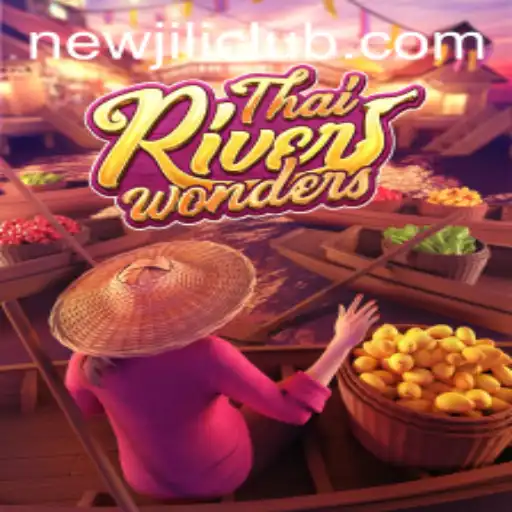
Dive into the enchanting universe of ThaiRiverWonders and uncover the captivating elements of NewJiLi within the game.

Dive into the thrilling gameplay and unique features of 777TripleSeven, the latest offering from NewJiLi. Explore its innovative design, captivating introduction, and engaging rules.

Dive into the delicious world of JManiaTurkeyChef, a game that combines culinary creativity with thrilling challenges. Learn about its exciting gameplay and how it's impacting current gaming trends.

Dive into the captivating world of FrozenUncharted, the latest gaming sensation by NewJiLi, blending adventure, strategy, and environmental challenges.
 Join now